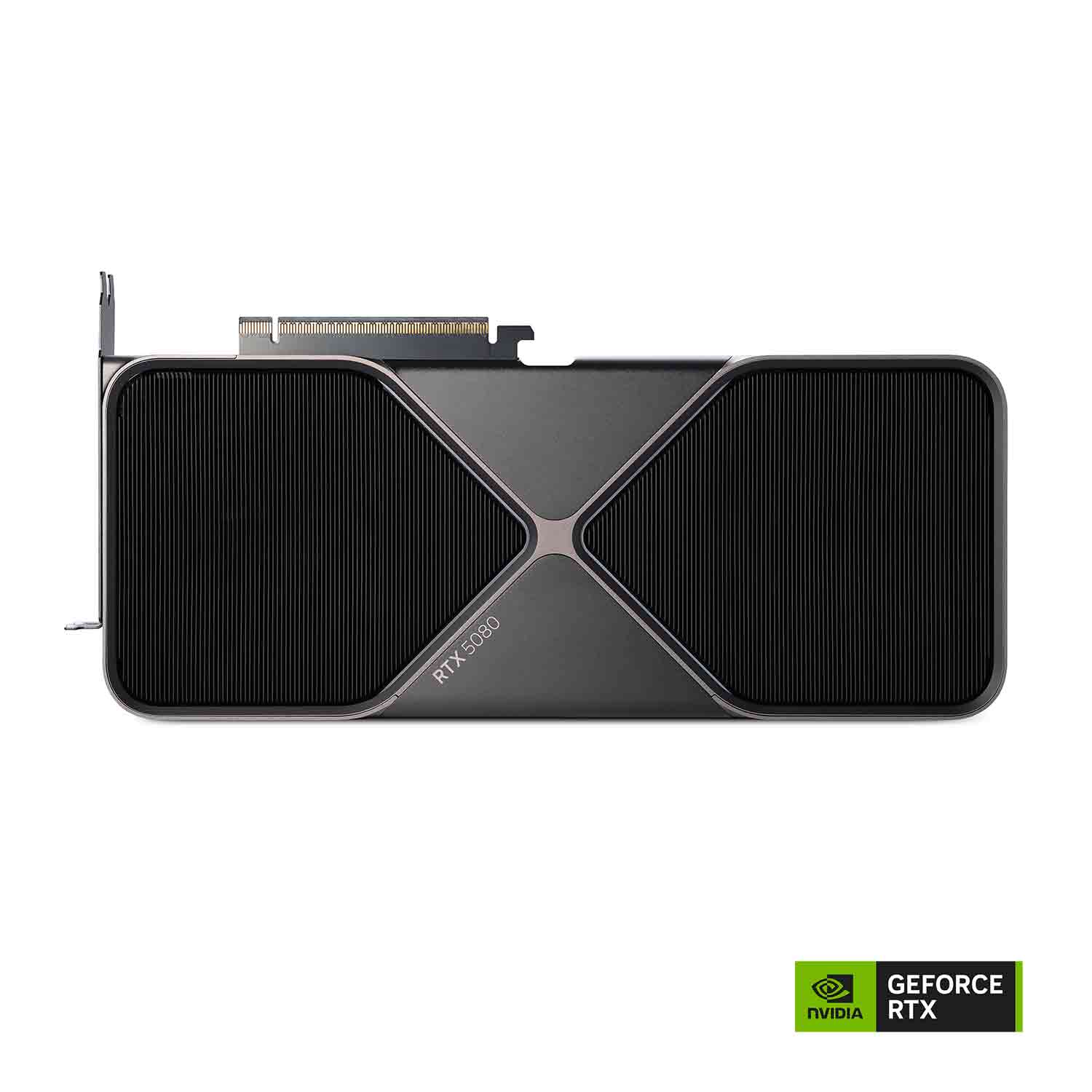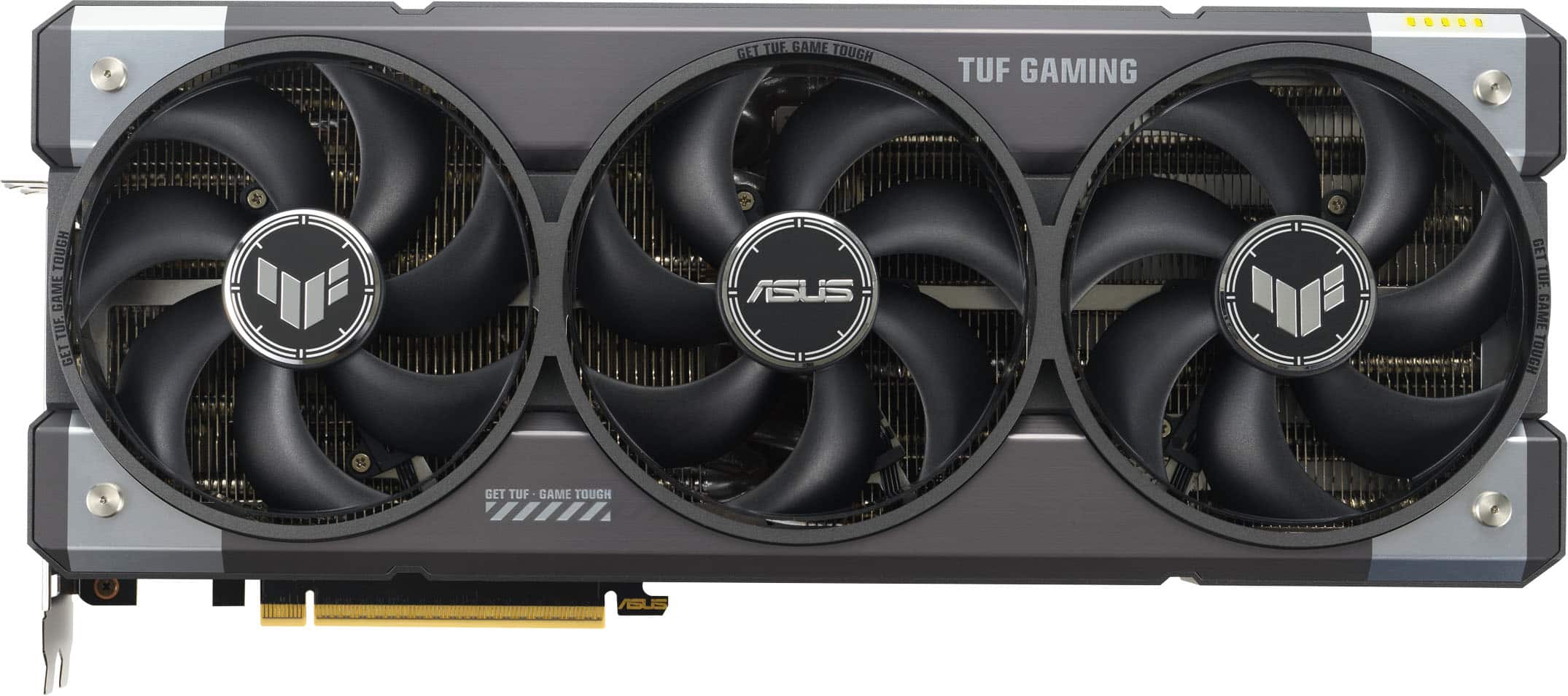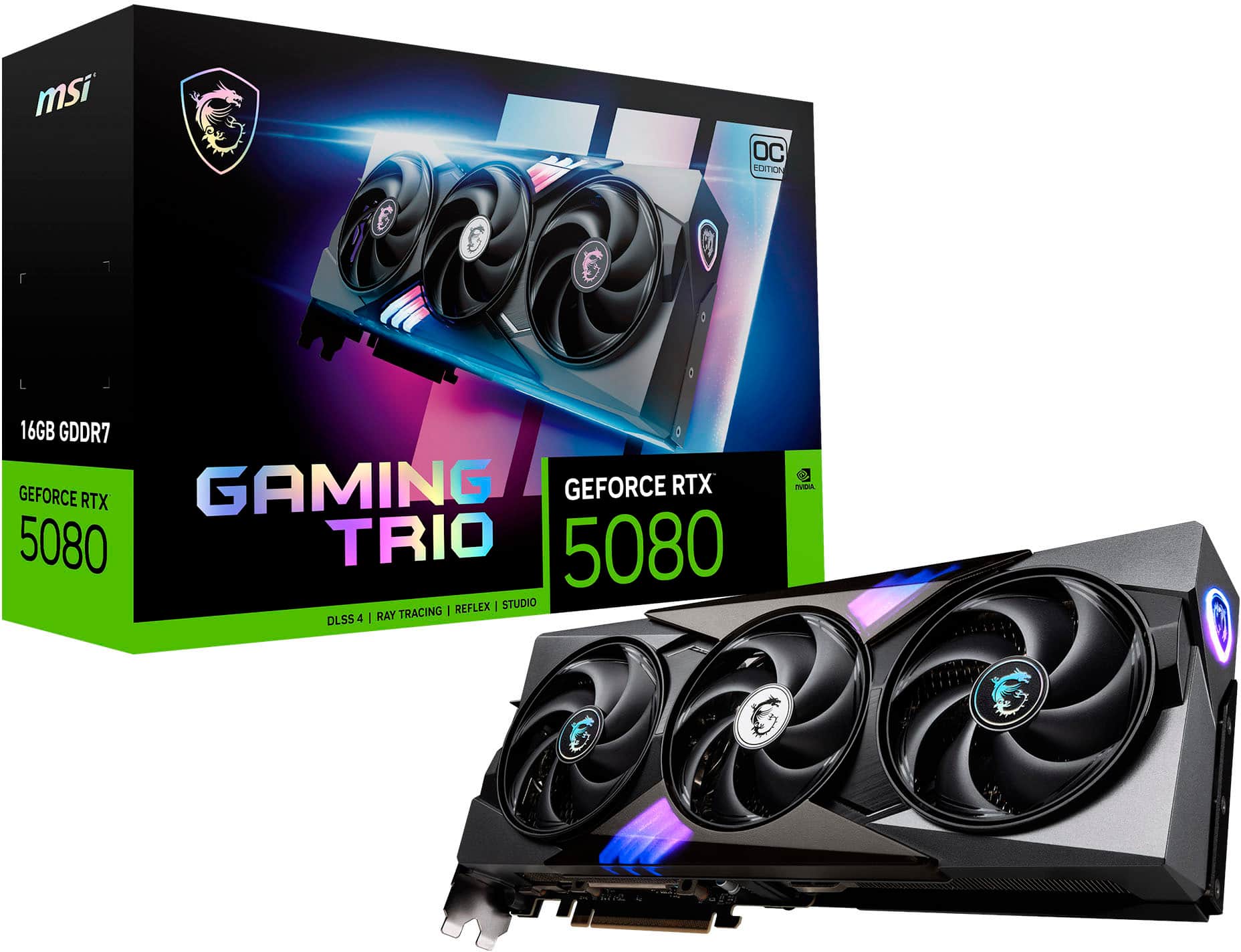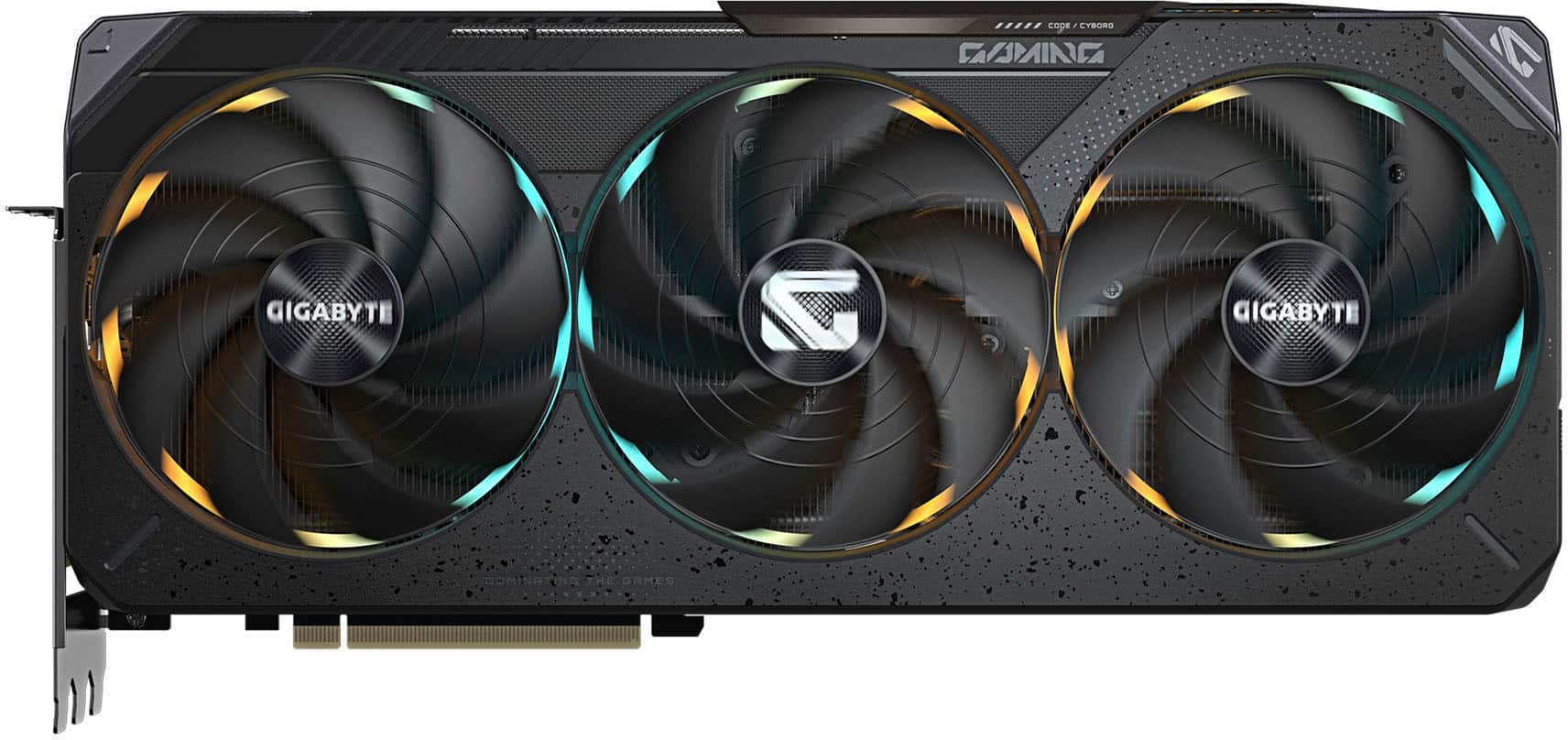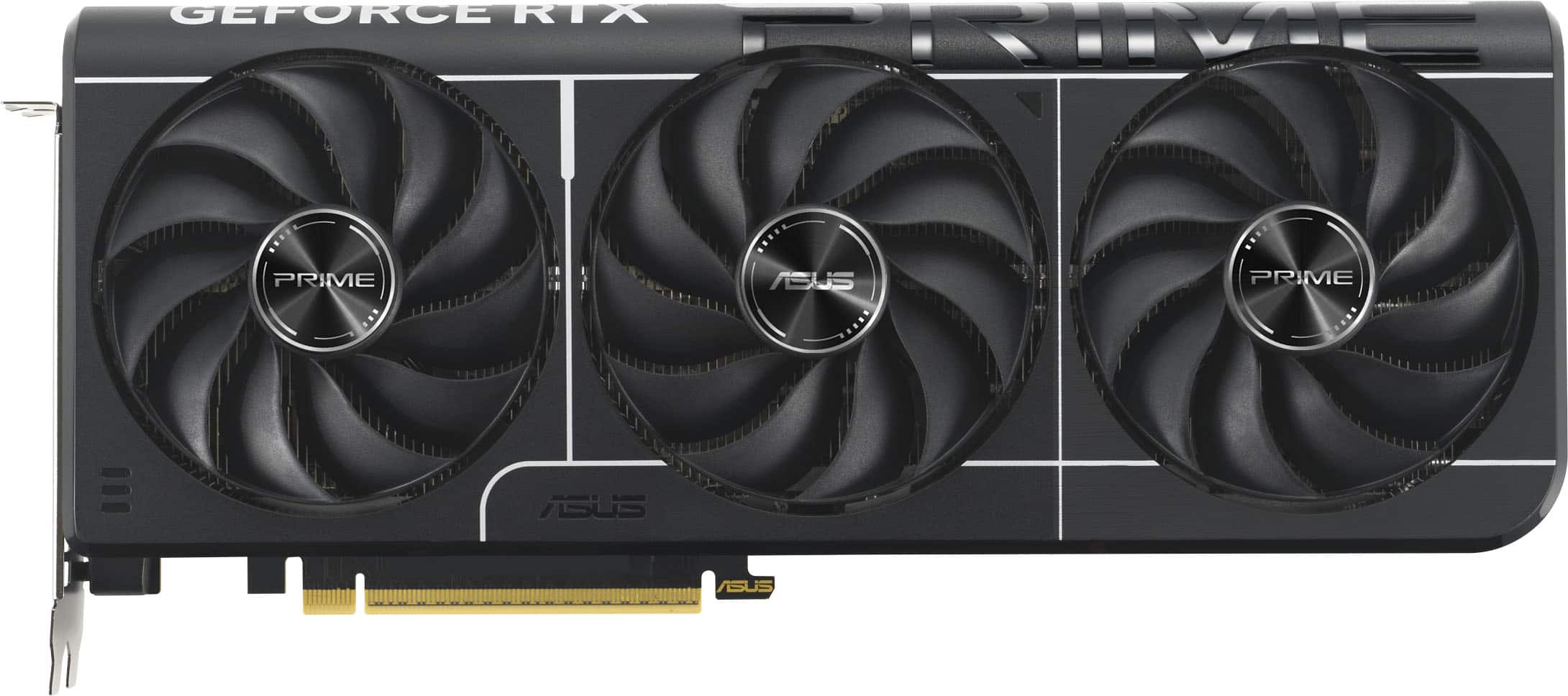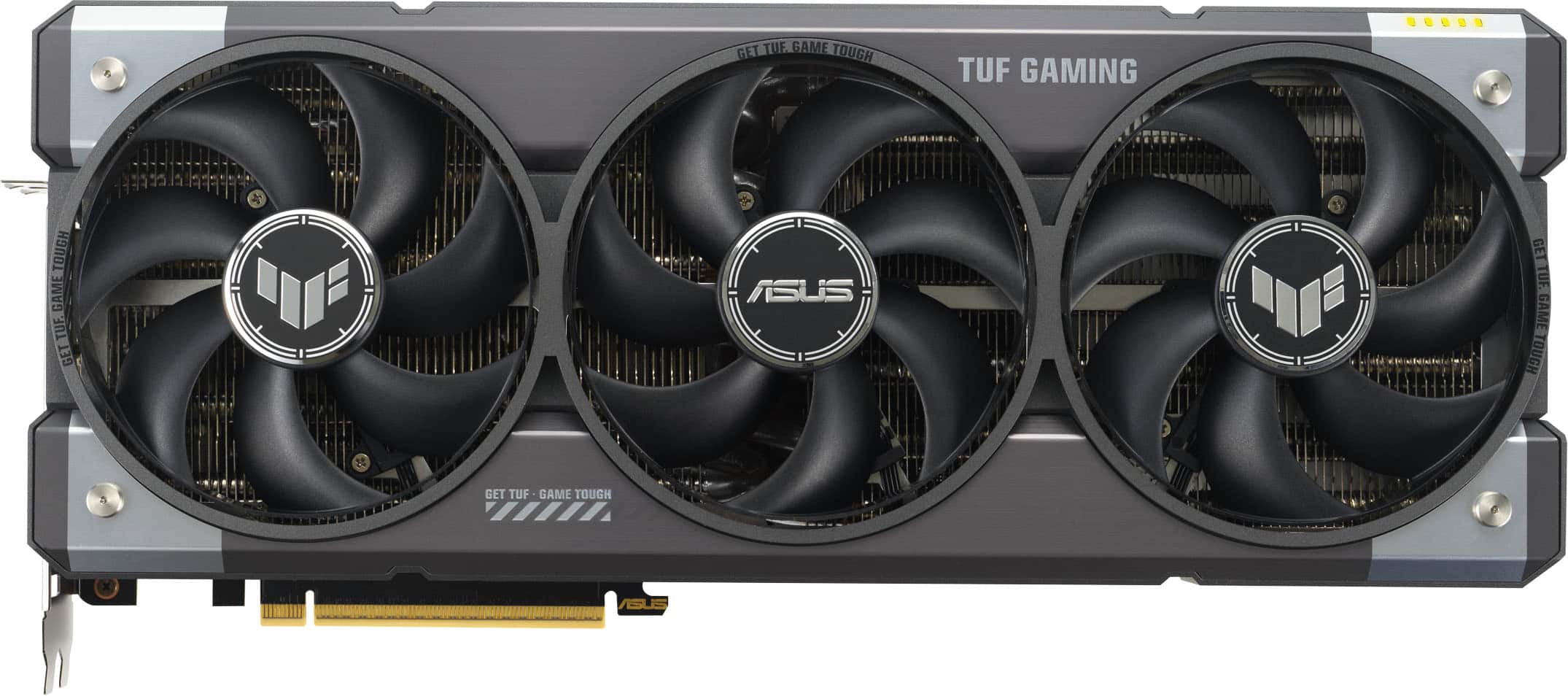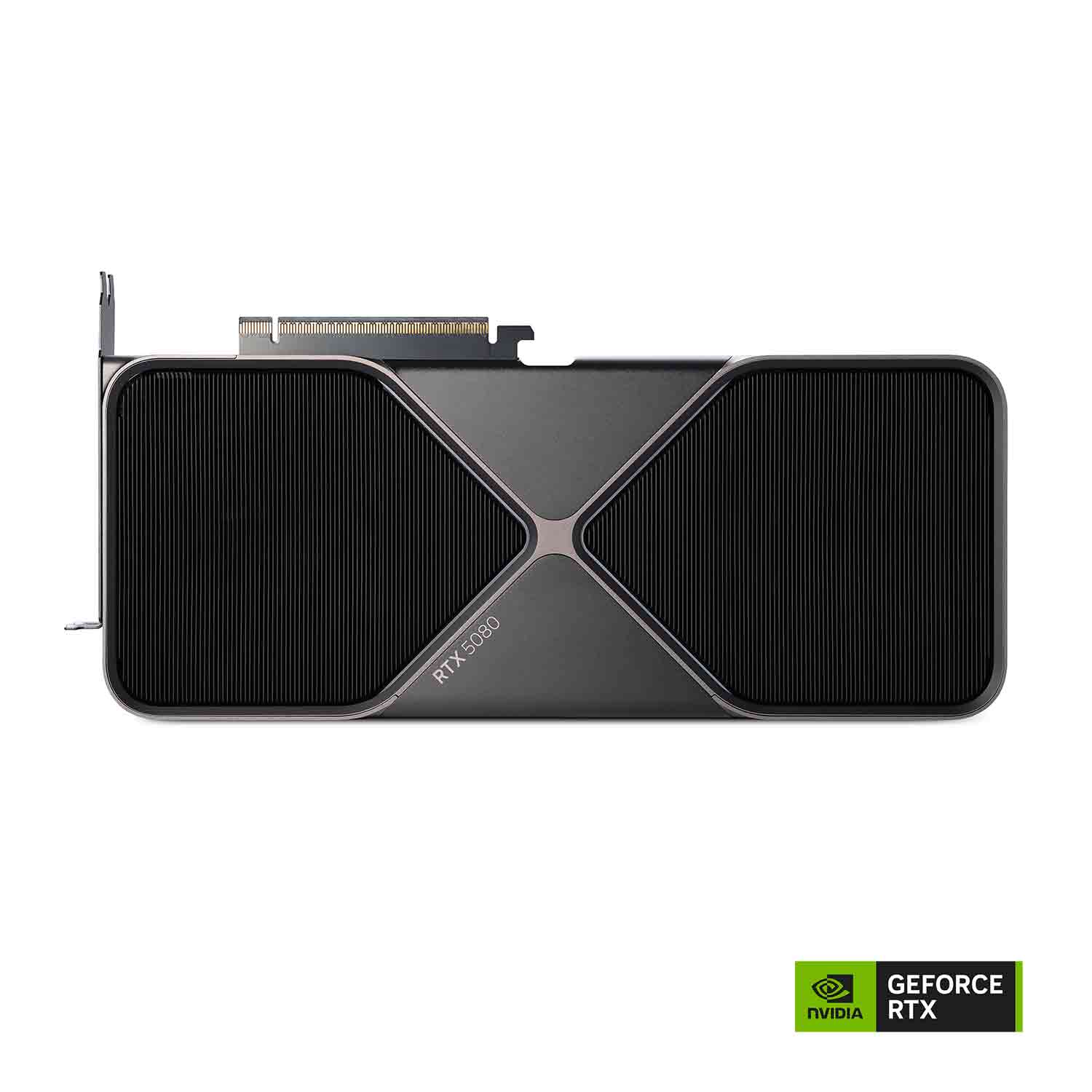
These are the two cards at the top of NVIDIA's lineup, and the gap between them is bigger than any other step on the ladder. The 5090 costs twice as much at list, draws a lot more power, and carries twice the memory. Whether that is worth waiting for depends on what you do with it, and on which one you can actually buy.
The short version
For games, the RTX 5080 is the sensible card and the RTX 5090 is the indulgent one. The 5090 is clearly faster at 4K, but the 5080 is already fast at 4K, and at 1440p the difference mostly goes unused. For work that eats memory, which today means AI models and heavy 3D, the 5090's 32 GB is the whole point and the 5080's 16 GB can be a wall. If you're not sure you need 32 GB, you don't.
Side by side
| RTX 5080 | RTX 5090 | |
|---|---|---|
| Memory | 16 GB GDDR7, 256-bit | 32 GB GDDR7, 512-bit |
| CUDA cores | 10,752 | 21,760 |
| Board power | 360 W | 575 W |
| Launch list price | $999 (30 Jan 2025) | $1,999 (30 Jan 2025) |
| Founders Edition | Yes | Yes |
| Typical card size | Big, 2.5 to 3 slots | Huge, 3 to 4 slots |
Both are Blackwell cards with DLSS 4 and multi-frame generation. The 5090 has roughly twice the cores, twice the memory bus and twice the memory. It is not twice as fast in games, because games don't scale that way, but it is the only card that offers that much memory at all.
What the extra money buys
- 4K with everything on. Ray tracing at 4K without frame generation is where the 5090 pulls away. If that's your target, the gap is real.
- Memory for work. Local AI models, large scenes in Blender, 8K video. The 5080's 16 GB is fine for games and tight for this.
- Headroom for years. A 5090 bought today is still a top-tier card in two generations. A 5080 will be a very good mid-range card by then.
What it doesn't buy: a better experience at 1440p, quieter running, or a card that fits a normal case. The 5090's 575 W needs a power supply most people don't own, and its coolers are the largest ever sold at retail.
Which one you can actually get
This is the practical difference, and it's the one most comparisons skip.
The 5080 has a Founders Edition at list price, which drops in small batches, and a wide spread of partner cards from PNY, MSI, ASUS and Gigabyte. The plainer partner cards restock often and sit near list. The 5090 has fewer models, every one of them a partner card at Best Buy, and the two-buyer problem (gamers plus AI builders) keeps them above list for longer. We wrote up how to catch a 5090 at list price because it needs its own routine.
For how often each one restocks, we'd rather show you than tell you. Every product page logs each restock we've seen, with the time, and shows a pattern once there are at least eight. For both cards we have not seen enough restocks to say more than that yet, and the page says so.
Cards we're tracking
- NVIDIA RTX 5080 Founders Edition, the list-price card, rarely in stock for long.
- MSI RTX 5080 Gaming Trio OC, a triple-fan partner card.
- ASUS TUF Gaming RTX 5090, the 5090 that tends to sit nearest list.
- Gigabyte RTX 5090 Gaming OC, a mild overclock.
Each page shows the price Best Buy reported, when we last looked, and every restock we've caught.
Our pick
Gaming at 4K or below: the RTX 5080, and set alerts on two or three models so you hear about whichever restocks first. Running models or rendering for a living: the RTX 5090, and be patient about it. And if you're torn between the 5080 and the step below it, RTX 5070 Ti vs RTX 5080 covers that gap too.
Whichever you choose, the fast way to a fair price is the same: alert, saved payment, two clicks. Our guide to buying a graphics card at list price has the full routine.
Affiliate links. As an Amazon Associate we earn from qualifying purchases.