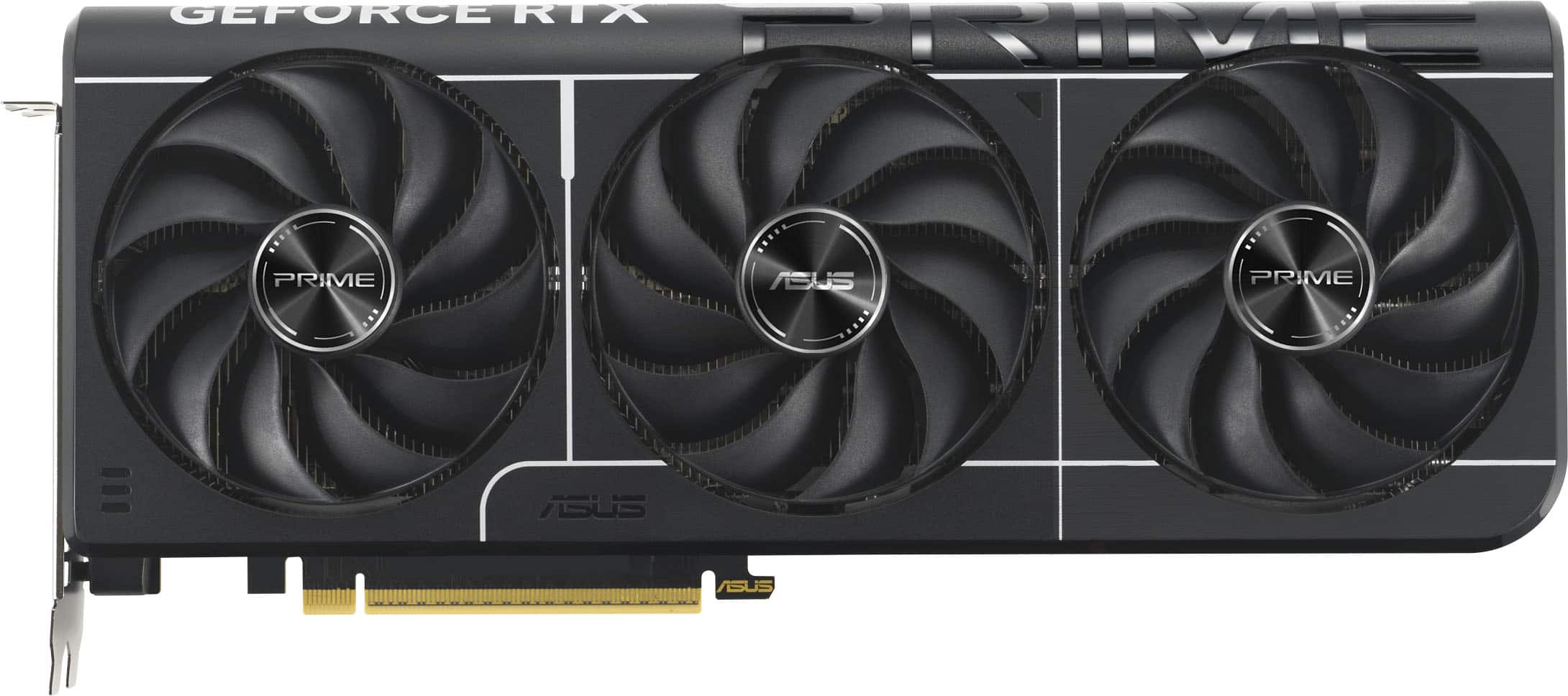
If you're building a 1440p machine this year, these are the two cards to argue about. AMD's RX 9070 XT and NVIDIA's RTX 5070 Ti land in the same place: 16 GB of memory, fast enough for high-refresh 1440p and respectable 4K, and both priced well below the flagships.
The short version
The RTX 5070 Ti is a little faster with ray tracing on and has the more mature upscaling in DLSS 4. The RX 9070 XT launched $150 cheaper, matches the 5070 Ti in most games without ray tracing, and its FSR 4 upscaling closed most of the old gap. At list price the AMD card is the better value. At the prices actually on shelves, it depends on the week, and that is the part we can help with.
Side by side
| RX 9070 XT | RTX 5070 Ti | |
|---|---|---|
| Memory | 16 GB GDDR6, 256-bit | 16 GB GDDR7, 256-bit |
| Board power | 304 W | 300 W |
| Launch list price | $599 (6 Mar 2025) | $749 (20 Feb 2025) |
| Upscaling | FSR 4 | DLSS 4, multi-frame generation |
| Reference card | None at retail | None (no Founders Edition) |
Both cards are partner-only at Best Buy. There is no AMD reference card and no NVIDIA Founders Edition in this tier, so every one you'll see is from ASUS, Gigabyte, PNY, ASRock, Sapphire and friends, each with its own cooler and its own price.
Where each one wins
- Ray tracing. The 5070 Ti still leads when ray tracing is heavy. The 9070 XT improved a lot over the last AMD generation, but the gap is there in the games that lean on it hardest.
- Raw rasterised performance. Close. The 9070 XT trades blows with the 5070 Ti, and at $150 less that's a win.
- Upscaling and frame generation. DLSS 4 is in more games and its multi-frame generation is NVIDIA-only. FSR 4 is very good where it's supported and the list keeps growing.
- Power and size. A wash. Both want a 750 W supply and a case with room for a triple-fan card.
- Memory. Identical at 16 GB. The 5070 Ti's GDDR7 is faster; in practice both have enough for 1440p for years.
What's in stock, and for how much
This is where the comparison stops being about specs. Both cards are partner-only, and partner prices drift above list in the first year of a generation. The plainer models, like an ASUS Prime 5070 Ti or a Gigabyte Gaming OC 9070 XT, tend to sit closest. The ones with the biggest coolers sit furthest away.
The honest answer to "which is cheaper right now" is: look. Our product pages show the price Best Buy reported for each card and when we last looked, and they log every restock we've seen. For these four cards we have not seen enough restocks to say how often each comes back, and the page says "not enough data" until a card has restocked at least eight times. Until then, trust the live price over any article, including this one.
Cards we're tracking
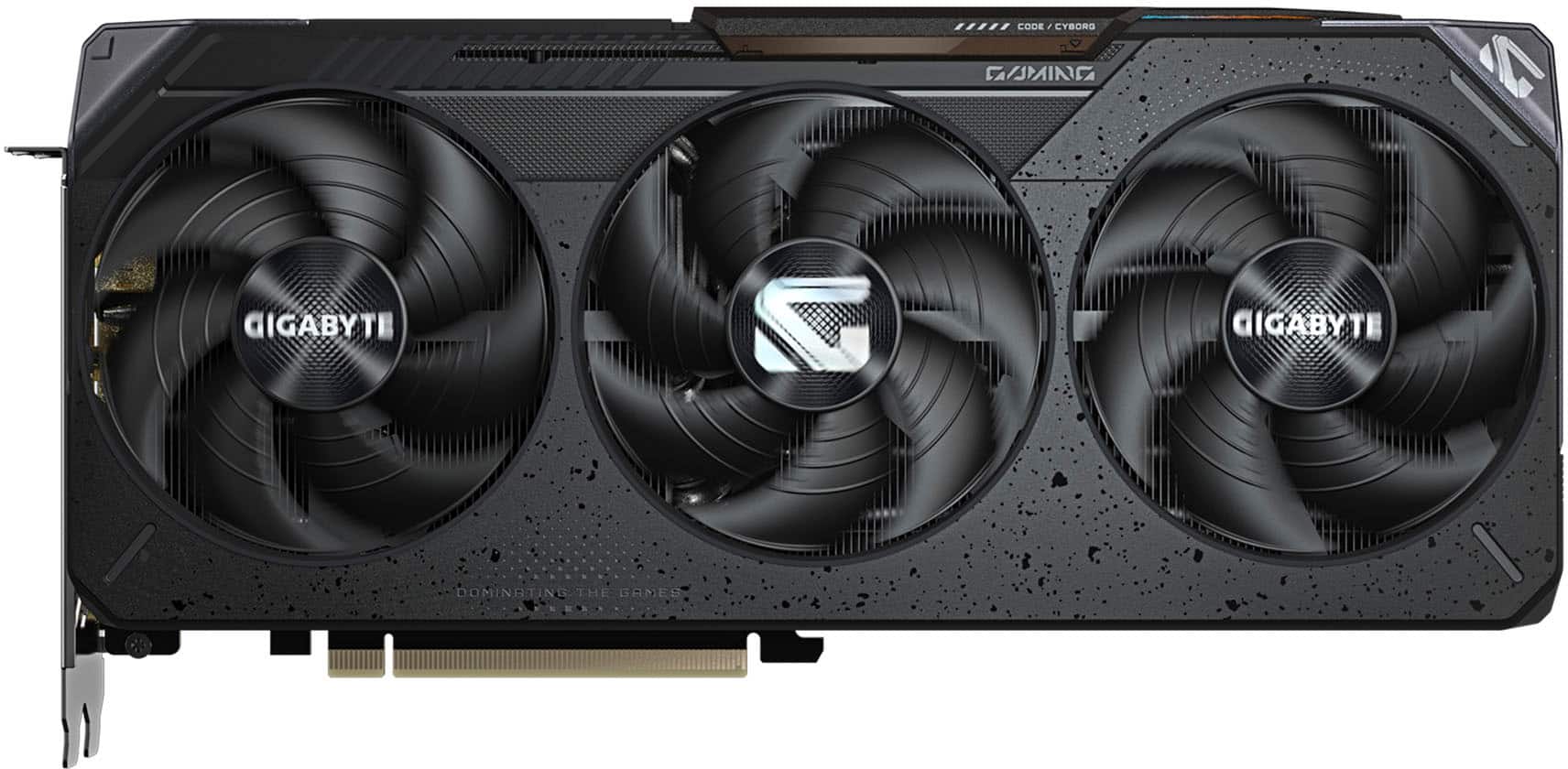
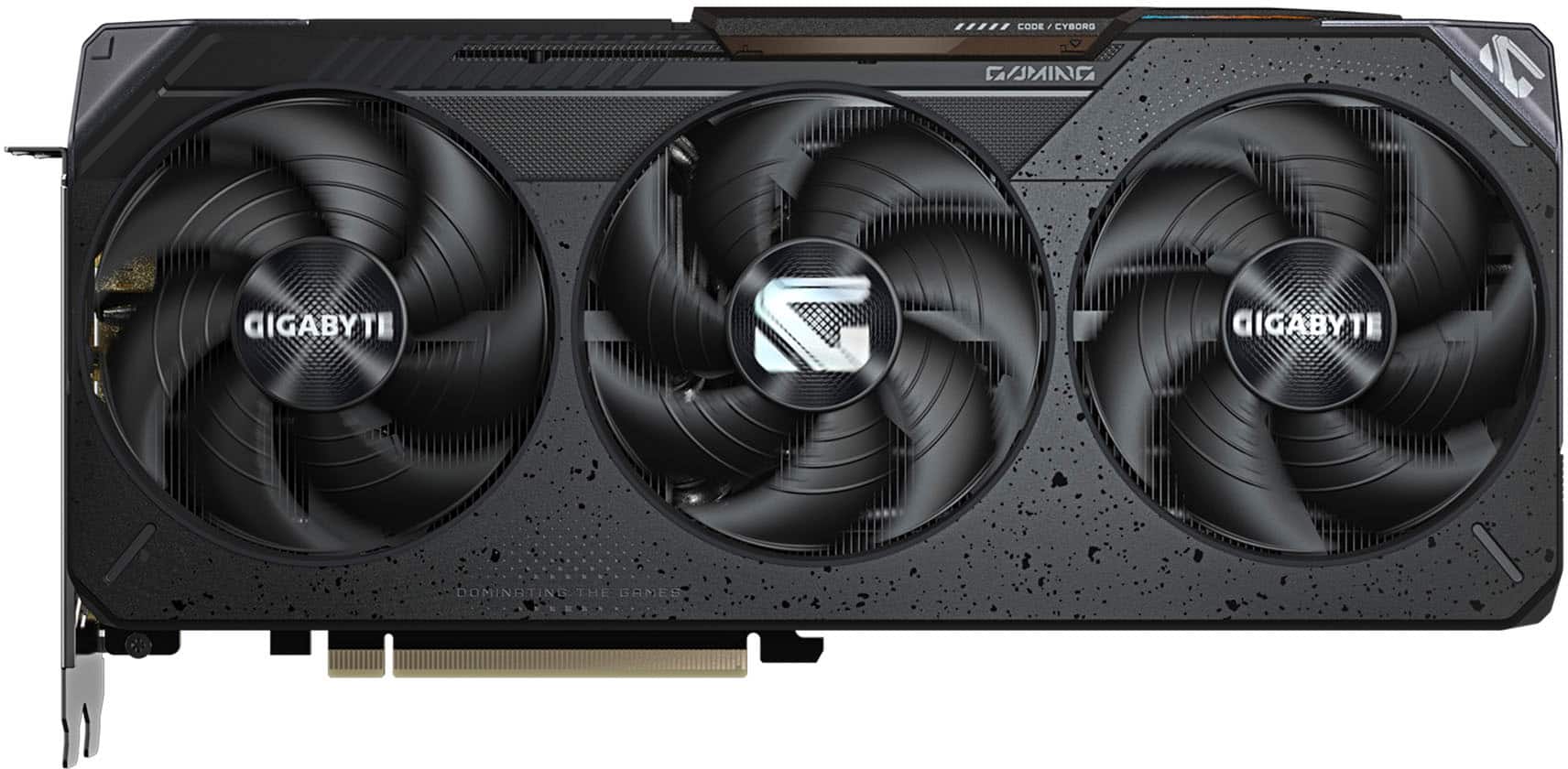
- Gigabyte RX 9070 XT Gaming OC, a mainstream triple-fan card.
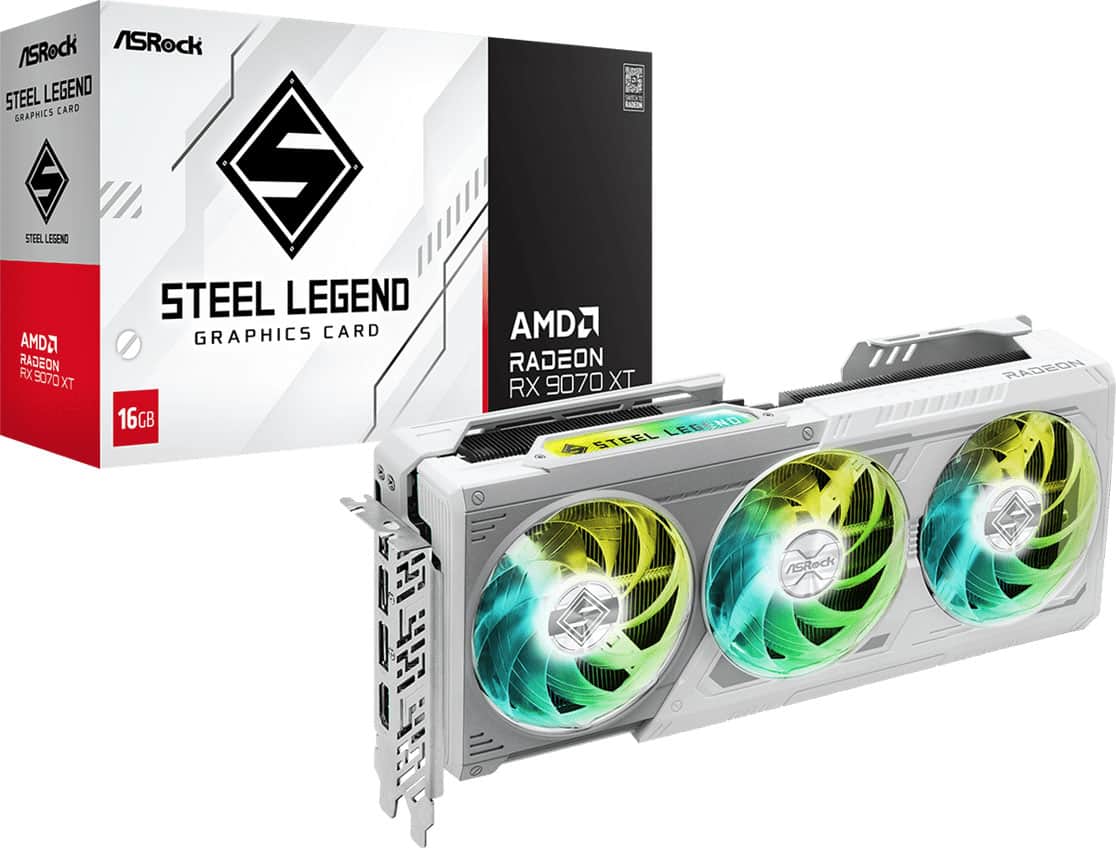
- ASRock Steel Legend RX 9070 XT, a plainer design.
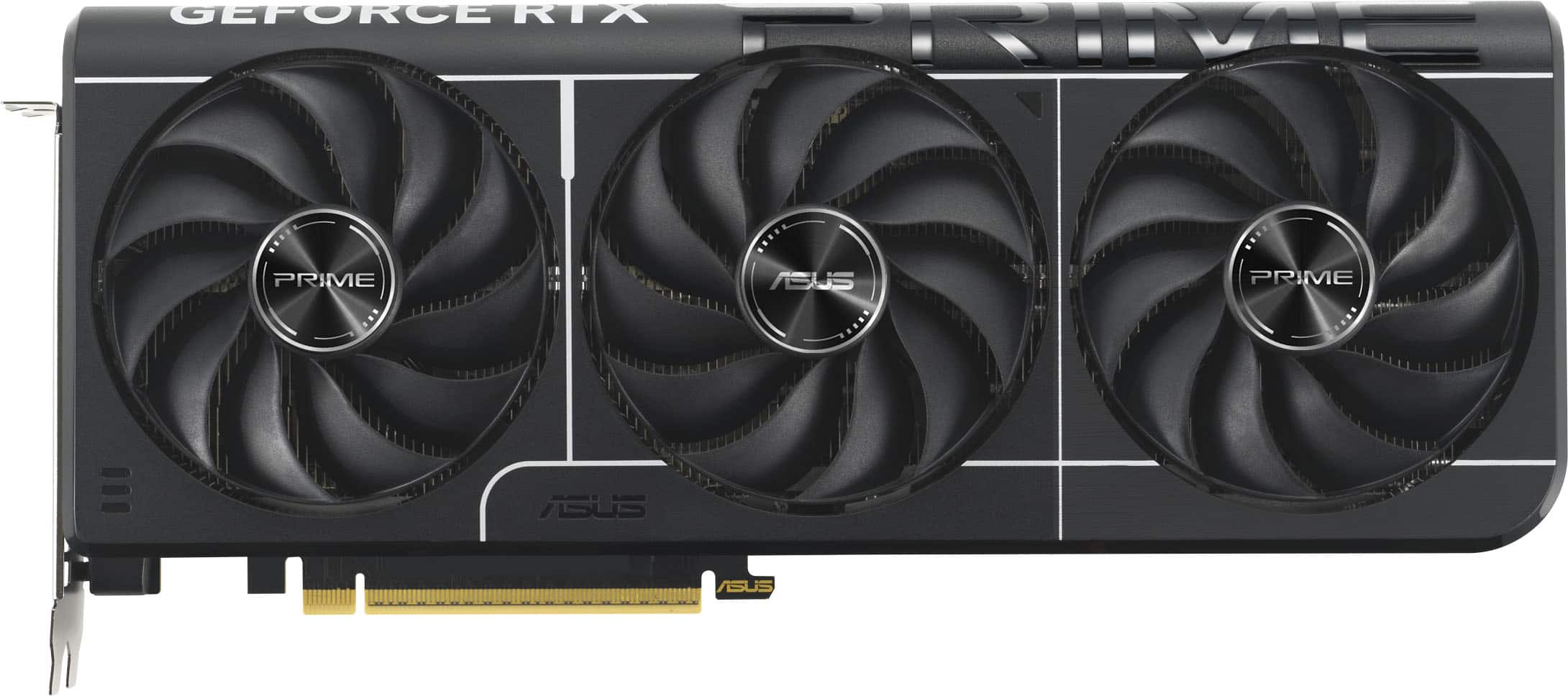
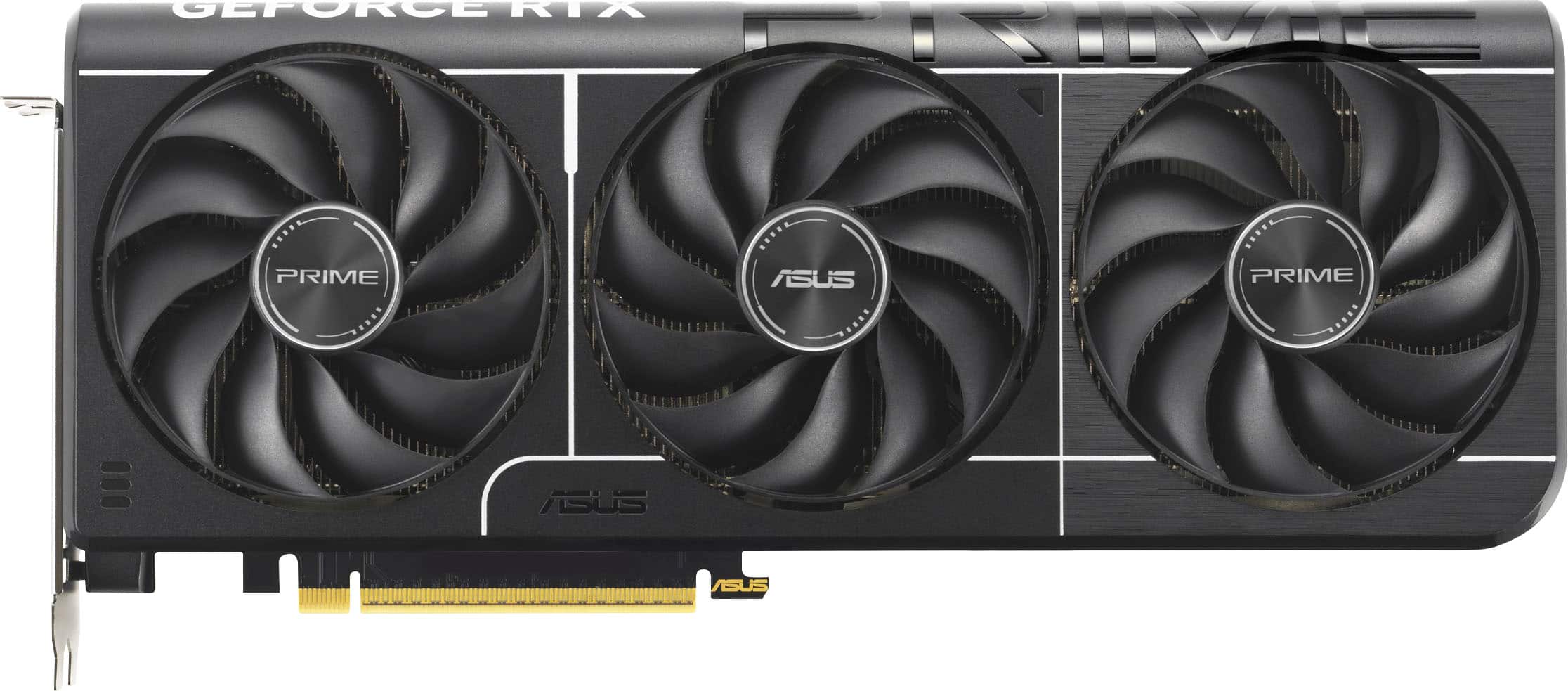
- ASUS Prime RTX 5070 Ti, the no-frills model that tends to sit nearest list.
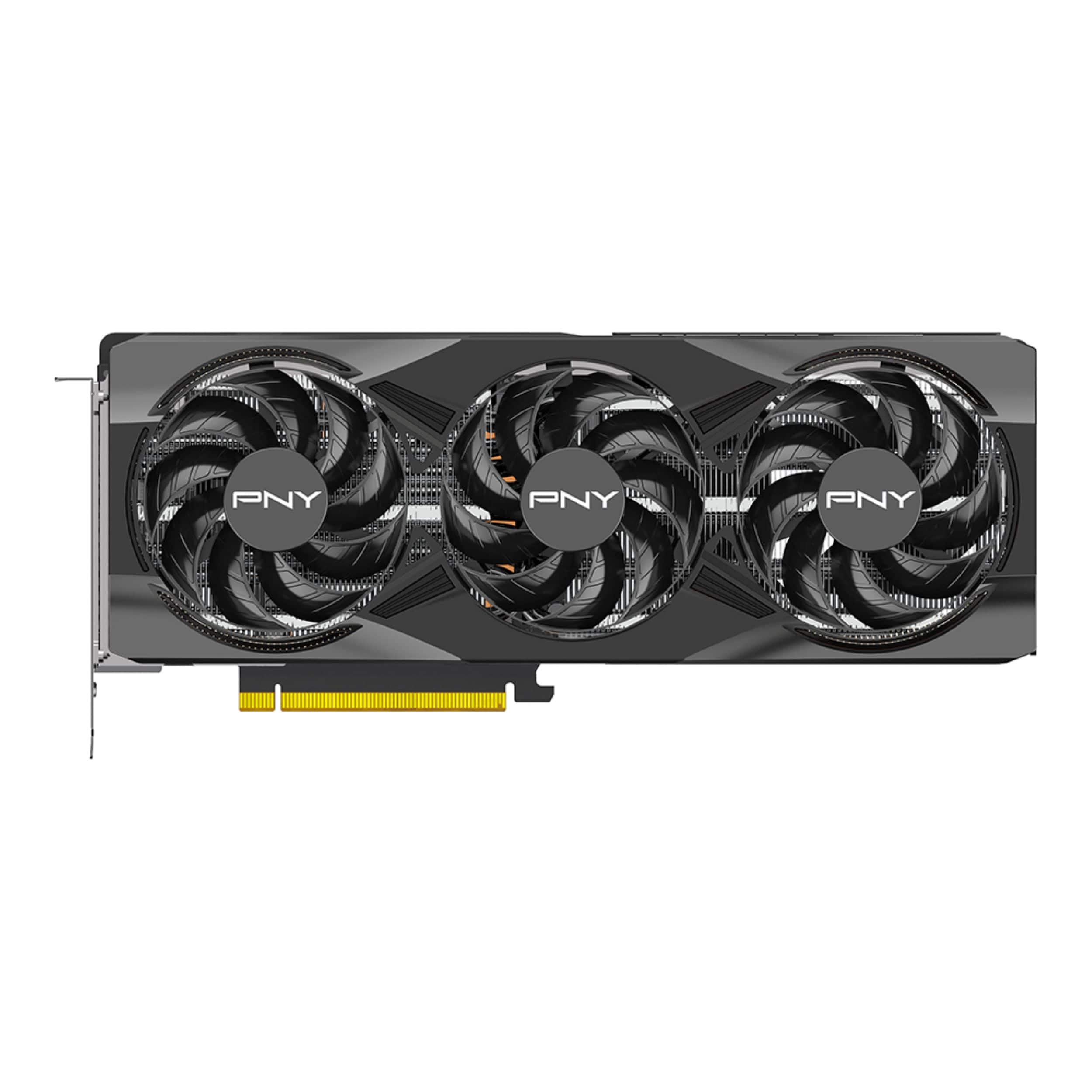
- PNY RTX 5070 Ti Overclocked, PNY's base card.
Our pick
Mostly rasterised games at 1440p, and a budget that matters: the RX 9070 XT, and take the cheapest partner card in stock. Ray tracing on everything, or games that lean on DLSS: the RTX 5070 Ti, and watch the Prime and PNY models rather than the flagships. If you're wondering whether to step up instead, RTX 5070 Ti vs RTX 5080 covers the next rung.
Either way, set an alert on two cards, not one. The cheapest one in stock changes from week to week, and the alert on the other is how you hear about it. Our guide to buying a graphics card at list price has the rest of the routine, and when Best Buy restocks graphics cards covers the timing, such as it is.
Affiliate links. As an Amazon Associate we earn from qualifying purchases.